Australian Base Camp Camping Tour

Australian Base Camp Camping Tour

22,060m/6,759ftNepal
Duration
1 Night 2 Days
Max altitude
2,060 meters
Difficulty
easy
Group size
1-12
Best season
Autumn and Spring

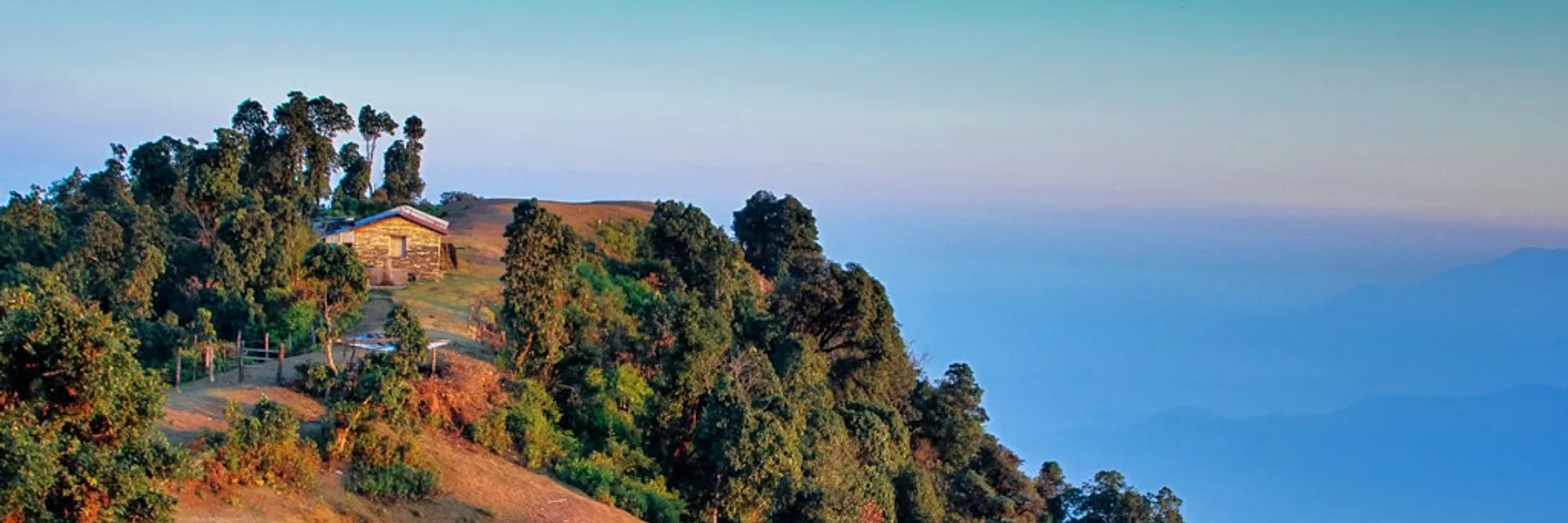
Australian Base Camp Camping is a 1-night, 2-day trip into the Annapurna foothills, starting with a short drive from Pokhara to Kande and a half-day hike up to 2,060 metres. You sleep with a campfire going and Annapurna South, Machhapuchhre and Dhaulagiri standing right in front of your tent.

Australian Base Camp Camping Overview

Most short trips out of Pokhara get you a viewpoint and send you home the same day. Australian Base Camp Camping does something different. You still start with an easy morning drive to Kande. But instead of turning back after lunch, you stay the night on the ridge, in a tent, with a fire going and the Annapurna range turning from gold to grey as the sun goes down.

The name itself has a story worth knowing before you go. Locals once called this ridge Thulo Kharka, which just means "big pasture." Back in the late 1980s, a group of Australian trekkers camped here, fell for the view, and kept coming back. The name stuck, and Australian Camp is what most people call it today, even on Nepali maps.

At 2,060 metres, this is low enough that altitude sickness isn't a real concern. That’s why Australian Base Camp Camping works so well for families, older travellers and anyone doing their first overnight trek. You don't need trekking poles or oxygen checks here. You need a warm layer for the evening and a willingness to walk uphill for a few hours.

We run this trip as both a small group departure and a private booking, so solo travellers, couples and families all fit comfortably. Groups tend to stay small on this route by nature, since most people book it as a quick, personal getaway rather than a big expedition, and that keeps the campsite quiet even in busier months.

The route itself runs through the same hills that feed into much longer Annapurna treks, so it's easy to see why Kande stays such a popular starting point. For this trip, the goal is simple: one good climb, one unforgettable campfire night, and a gentle walk back down to Phedi the next day.

Our guides know this trail well, since it's one of the routes we run most often out of Pokhara. You can read what past travellers have said about trekking with us on our reviews page, and get a feel for how we run trips on our about page.


Trip highlights

Watch the sun drop behind Annapurna South from your tent door without binoculars

Sit around a real campfire on the ridge, something most short Pokhara trips never offer

Wake up before dawn for a sunrise that lights up Machhapuchhre first, then the rest of the range

Walk through Gurung farmland and forest on the way up from Kande, with terraced fields on both sides


Walk back down through quiet Gurung farmland and forest on the way to Phedi


Get views of Dhaulagiri, Lamjung Himal and Hiunchuli, without going anywhere near high-altitude sickness territory


Finish the whole trip and be back in your Pokhara hotel by the next evening


Bring kids, parents or a first-time trekker along, since the trail asks little of your legs


Day-by-day itinerary

Day
01
Day 1: Drive from Pokhara to Kande and Hike to Australian Base Camp TentBreakfast | Lunch | DinnerAustralian Base Camp+

Your Australian Base Camp Camping trip starts after breakfast in Pokhara, with a private vehicle picking you up from your hotel. The drive to Kande runs along the Pokhara-Baglung Highway, about 30 kilometres west, and takes roughly an hour depending on traffic. You'll pass small roadside towns and get your first real look at the Annapurna range on the way.

From Kande, the trail starts with a climb, and it doesn't waste time being gentle about it. The first hour is the steepest part of the whole trip, up stone steps through forest, so take it slowly and let your guide set the pace. Once the trail levels out, you're walking through rhododendron and oak forest, past small Gurung farmhouses with terraced fields cut into the hillside.

After about three hours of walking, the trees open up and Australian Base Camp appears, a wide grassy ridge with nothing blocking the view. Annapurna South, Hiunchuli and Machhapuchhre is directly ahead, close enough that they don't look real at first. This is where your tent gets set up for the night, and where the actual Australian Base Camp Camping experience begins.

The afternoon is yours to relax, take photos or just sit and watch the light change on the mountains. As evening comes in, your crew lights a campfire, and dinner is cooked and served right there on the ridge. Most travellers say this one evening, fire crackling, stars coming out, Annapurna glowing pink at sunset, is the single best part of the whole trip.

Your guide and camp crew handle the tents, the fire and the cooking, so there's genuinely nothing for you to organise once you arrive. It's worth bringing a camera since the light on the mountains changes fast in the last hour before dark. Most people end up taking more photos here than anywhere else on the trip.


Day
02
Australian Base Camp to Phedi and Return to Pokhara BreakfastPokhara+
Loading map…

Click a map marker or use Start trek to follow the itinerary route.

Good to know before you go

Spring, from March to May, and autumn, from September to November, are the two seasons that work best for this trip. 

Spring brings clear mornings and rhododendron forests in full bloom along the Kande trail, which adds real colour to the walk. Autumn brings the steadiest weather of the year, with the clearest mountain views and comfortable daytime temperatures for camping.

Both seasons keep the campfire evening at its best, since clear skies mean a proper mountain sunset and a sky full of stars once the fire's going. Our guides check conditions before every departure, and you can read more about how we read mountain weather in our journal.


Packing essentials

Clothing

Moisture-wicking T-shirts, warm fleece jacket, lightweight down jacket, waterproof jacket, trekking pants, thermal innerwear, warm socks, sun hat, warm hat, gloves

Footwear

Comfortable hiking shoes, camp sandals, extra socks

Sleeping & Camping

Sleeping bag, sleeping bag liner, headlamp with extra batteries, lightweight backpack, trekking poles

Sun & Personal Care

Sunglasses, sunscreen, lip balm, water bottle, personal toiletries, quick-dry towel, hand sanitizer

Health & Safety

Personal medicines, basic first-aid kit, blister treatment, insect repellent

Documents & Essentials

Passport or ID, travel insurance, cash, mobile phone, power bank, charging cables, small waterproof bag
Frequently asked

What is this trip, and where is it? +
Australian Base Camp Camping is a 1-night, 2-day trip to a ridge at 2,060 metres in the Annapurna foothills, about an hour's drive from Pokhara through Kande. It's known locally as Thulo Kharka, but most maps and trekkers today just call it Australian Camp.
What is the difference between Australian Camp and Annapurna Base Camp? +
Despite the similar names, these are two very different trips. Australian Camp is at 2,060 metres and takes just two days by an easy trail near Pokhara. Annapurna Base Camp reaches 4,130 metres and needs seven to ten days of proper trekking through the Annapurna Sanctuary. If you want a short, low-altitude camping trip, Australian Camp is the right choice; if you want to stand deep inside the Annapurna range itself, that's a different, longer trek.
How far is Kande from Pokhara? +
Kande is about 30 kilometres from Pokhara, roughly an hour's drive along the Pokhara-Baglung Highway. It's the standard starting point for both the Australian Camp trek and several longer Annapurna routes.
What is the altitude of Australian Base Camp? +
Australian Base Camp is at approximately 2,060 metres, or 6,759 feet. That's high enough for genuine mountain views but well below the altitude where sickness becomes a concern.
Is the Australian Camp trek worth it? +
For most travellers based in Pokhara with only a day or two to spare, yes, since you get a genuine mountain sunrise, a night in a tent and real village culture without weeks of trekking. It won't replace a longer Annapurna trek for anyone chasing high-altitude glaciers or a multi-week adventure, but it consistently ranks as one of the better options near Pokhara.
Is the Australian Camp trek suitable for beginners and children? +
Yes, it's one of the easiest overnight treks near Pokhara, and it's a common first trekking experience for families and children. The main physical challenge is a steep first hour of climbing from Kande, after which the trail levels out considerably.
Can I do the Australian Camp trek without a guide? +
You can technically walk the trail on your own, since it doesn't require the special permits that restricted areas like Upper Mustang do. That said, a local guide makes navigation easier around Kande's forest junctions, and if you're camping overnight rather than day-hiking, having someone handle tents, food and the fire is worth far more than the small saving of going it alone.
What should I pack for this trip? +
A warm layer for the evening, a headlamp, comfortable walking shoes and a light rain jacket cover most of what you'll need. Since it's a short trip, you can leave heavier trekking gear at your Pokhara hotel and pack light for just the two days. If you're planning a longer, higher trek later in your trip, our packing guide for treks above 4,000 metres has more detail on cold-weather layering.
How long is the walking distance on the Australian Camp trek? +
The hike from Kande to Australian Base Camp takes about three hours, and the walk from camp down to Phedi the next morning takes roughly two more. In total, Australian Base Camp Camping involves around five to six hours of walking spread across the two days, which keeps it manageable for most fitness levels.
Is there a toilet or shower at the Australian Base Camp campsite? +
Basic toilet facilities are available near the campsite, though they're simple rather than the private, attached bathrooms you'd get at a Pokhara hotel. Showers aren't part of the camping night itself, so most travellers wait until they're back in Pokhara the next evening for a proper hot wash.
Is camping at Australian Base Camp safe? +
Yes, it's considered one of the safer overnight camping trips in the Annapurna region, thanks to its low altitude and short daily walking hours. Guides carry first aid kits, monitor weather before departure, and know the trail well enough to adjust the pace for anyone in the group.
Can I do this trip without camping, and stay in a teahouse instead? +
Yes, a teahouse-based version of this route is available if camping isn't for you, usually staying near Kande instead of tenting at Australian Base Camp. You'd miss the campfire and the direct sunrise view from your tent, which is the main reason most travellers choose the camping option in the first place.

Related trip packages