How High is Kathmandu, Really? A Quick Altitude Primer
Practical notes from our guides on the trail.
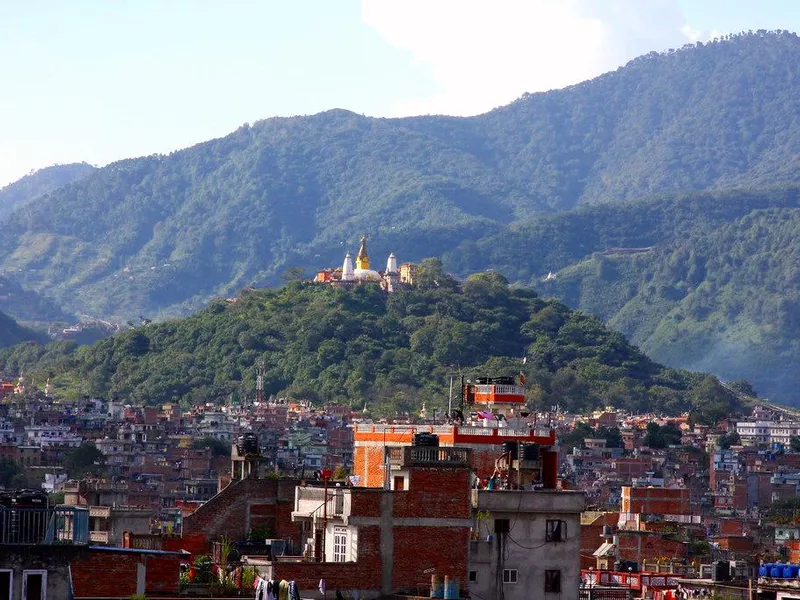
When people dream of traveling to Nepal, their minds naturally drift to towering snow-capped peaks, thin mountain air, and the ultimate heights of Mount Everest. But before your journey into the greater Himalayas begins, your adventure will start in Nepal’s vibrant capital: Kathmandu. Arriving in Kathmandu hits every sense at once. Horns blare, temple bells ring, and scooters weave through narrow lanes.
A common question among first-time visitors is: Just how high is Kathmandu, really?
The answer is simple: Kathmandu sits at about 1,400 meters (4,593 feet) above sea level. This is the standard figure used for the city center. Exact height varies by neighborhood, from roughly 1,300 to 1,400 meters.
Why This Number Matters to Travelers
Most people fly into Kathmandu on their way to the mountains. Your body starts adjusting to height here. Knowing the elevation helps you plan a smooth trip. It also helps you stay calm.
Kathmandu Elevation by the Numbers
The Exact Measurement
Here are the key figures in one place:
- Meters: about 1,400 m
- Feet: about 4,593 ft
- Tribhuvan International Airport: about 1,338 m (4,390 ft)
- Air pressure: roughly 85% of sea-level pressure
Air at this height has about 15% less oxygen available than at the coast. Most healthy people barely notice it while resting. You may notice it when you climb stairs or walk uphill.
Kathmandu Height Above Sea Level in Feet
Many Americans and Britons think in feet. So here is a simple way to picture it. Kathmandu is roughly 4,600 feet high. That is nearly one mile up, but not quite.
A full mile is 5,280 feet. Kathmandu sits about 700 feet below that mark.
How It Compares to Familiar Places
Comparing heights makes the number real. Let us look at cities you may know.
Kathmandu vs Denver
Denver, Colorado, is called the Mile-High City. Its elevation is 1,609 meters (5,280 feet). Kathmandu is about 200 meters lower.
Still, the two feel similar. If you have visited Denver and felt fine, you will likely feel fine in Kathmandu.
Kathmandu vs Mexico City
Mexico City is higher at about 2,240 meters (7,350 feet). Visitors there often feel short of breath on day one. Kathmandu is gentler by comparison.
Quito in Ecuador sits near 2,850 meters. La Paz in Bolivia climbs past 3,600 meters. Both are far higher than Kathmandu.
Kathmandu vs Sea-Level Cities
Most big travel hubs sit close to sea level. New York, Bangkok, Dubai, and Sydney are all nearly at zero. Delhi is only about 216 meters high.
If you fly from one of these cities, the jump to 1,400 meters is real. Your body will notice the change, even if only slightly.
Kathmandu vs European Capitals
Most European capitals are very low. London sits near 11 meters. Paris, Berlin, and Rome are also close to sea level.
Madrid is one of the highest big capitals in Europe at about 650 meters. Kathmandu is more than twice that height.
The Bowl-Shaped Valley
Kathmandu lies in a wide valley in central Nepal. Locals call it the Kathmandu Valley. Thousands of years ago, it was a large lake.
Today, the valley floor is flat and fertile. Green hills rise all around it. The shape looks like a bowl.
The Hills Around the City
Several hills ring the valley. They climb much higher than the city itself.
Shivapuri
Shivapuri rises to about 2,730 meters (8,957 feet). It sits north of the city. It is a popular day hike with forest trails and views.
Chandragiri
Chandragiri reaches about 2,500 meters (8,200 feet). A cable car takes visitors up from the valley edge. On clear days, you can see the Himalayan range.
Phulchoki
Phulchoki is the tallest hill around the valley. It stands near 2,780 meters (9,120 feet). Birdwatchers love its forests and flowers.
Why the Valley Shape Matters?
The bowl shape does two things. It gives Kathmandu a mild, pleasant climate. It also traps air, dust, and smoke.
We will return to this point soon. It explains why breathing can feel heavy even at a modest height.
Altitude Sickness in Kathmandu: Is It Possible?
Generally, no. Acute Mountain Sickness, or AMS, usually starts at 2,500 meters (8,200 feet) and above. Kathmandu sits well below that line. Most travelers will not get true altitude sickness in the city.
What Is Acute Mountain Sickness?
AMS is the mildest form of altitude illness. It happens when you climb too fast for your body to adjust. Symptoms include headache, nausea, dizziness, and poor sleep.
Doctors take AMS seriously because it can worsen. Severe forms are dangerous and need fast action. Those risks belong to the high Himalayas, not to Kathmandu.
Kathmandu Air Quality: What Travelers Should Know
When Air Quality Is Worst
Air quality changes with the seasons. It is often poorest in the dry months before the monsoon. Winter can also bring haze and smoke.
The monsoon rains, from about June to September, wash the air clean. Autumn often brings clear skies and sharp mountain views. Check a live air quality app before you go outside.
When to Seek Help
Mild effects should ease within a day or two. See a doctor or clinic if symptoms get worse. Do this too if you have chest pain, strong wheezing, or a bad headache that will not go away.
People with asthma, heart problems, or lung disease should talk to a doctor before the trip. Bring your medicines and keep them handy.
Kathmandu Acclimatization: The Perfect Stepping Stone
Why Trekkers Should Stay a Day or Two
Most trekkers use Kathmandu as a launch pad. They head to Everest, Annapurna, or Langtang. Spending time here first is smart.
At 1,400 meters, your body begins to adapt. Your breathing deepens. Your body starts making more of what it needs to move oxygen.
The Trekker's View of Height
Trekking routes climb fast. The numbers below show how big the jumps are.
- Kathmandu: about 1,400 m
- Lukla: 2,860 m (9,383 ft)
- Namche Bazaar: about 3,440 m (11,286 ft)
- Everest Base Camp (Nepal side): about 5,364 m (17,598 ft)
- Annapurna Base Camp: about 4,130 m (13,550 ft)
- Kyanjin Gompa in Langtang: about 3,870 m (12,700 ft)
Compare these with Kathmandu. The mountain heights are far above the city. A gentle start makes the later climb easier.
The Gradual Ascent Idea
Doctors give one main rule for height. Go up slowly and let your body catch up. The old saying is "climb high, sleep low."
Kathmandu is the first small step on that ladder. A stop here is better than flying from sea level straight to Lukla.
Flights to Lukla
Many Everest trekkers fly to Lukla. The flight is short, often about 35 to 40 minutes. It lifts you from 1,400 meters to 2,860 meters in one hop.
In busy seasons, some flights leave from Ramechhap airport instead of Kathmandu. Airlines and schedules change often. Always confirm your departure point with your trekking company.
Why Lukla Feels Different
Lukla is about 1,460 meters higher than Kathmandu. That is a big jump in one morning. Most people feel fine, but some feel light-headed.
Time spent in Kathmandu helps you manage that change. Rest and water before the flight will help even more.
Other Ways to Reach the Mountains
You can also go by road. A jeep or bus climbs more slowly than a plane. The gradual rise gives your body more time to adapt.
Some trekkers start their walk lower and hike up from there. This gives the best acclimatization, but it takes more days. Your choice depends on time, budget, and comfort.
How Many Days Should You Stay?
For most trekkers, one to two days in Kathmandu is enough. It also helps you fix gear, sort permits, and rest after your flight.
If you have a tight schedule, stay at least one full night. Do not rush to the airstrip the moment you land.
Use the Time Well
Kathmandu is more than a waiting room. You can explore at an easy pace while your body adjusts.
Try short, flat walks first. Visit Boudhanath Stupa, Swayambhunath, Pashupatinath, and Durbar Square. Thamel has shops for last-minute gear. Take taxis for longer trips.
Kathmandu Travel Tips for Your First Day
Hydrate, Hydrate, Hydrate
Air travel dries you out. Height and dry air make it worse. Start drinking water as soon as you land.
Aim for steady sips through the day. Pale yellow urine is a good sign. Dark urine means you need more water.
Choose Safe Water
Do not drink tap water in Kathmandu. Use sealed bottled water or water you have filtered or purified. Check that the bottle cap is sealed.
Bring a refillable bottle and a filter or purification tablets. This cuts plastic waste, which the valley already struggles with.
Take It Easy on Day One
You will want to see everything at once. Resist that urge. Skip the temple sprint for the first 24 hours.
Pick one gentle activity. A slow walk around a quiet neighborhood works well. Then rest and eat a light meal.
A Simple First-Day Plan
- Morning: check in, drink water, and rest
- Midday: eat a light lunch and take a short flat walk
- Afternoon: nap if you are tired
- Evening: eat early and go to bed on time
Watch the Alcohol and Caffeine
Alcohol and caffeine both dry you out. At altitude, they hit faster. Alcohol can also disturb sleep and hide signs of trouble.
You do not need to give up tea or coffee. Just keep it light on day one. Match each cup with a glass of water. Save the celebration drinks for after your trek.
Protect Your Lungs
City dust and exhaust can be harsh. A light face mask or buff helps a lot. It is a small item with a big payoff.
Look for a mask that filters fine particles, such as an N95 or KN95 type. A plain cloth buff blocks less but still helps with dust. Wear it in heavy traffic, especially near busy roads.
Eat Smart
Eat regular, light meals. Rice, lentils, and vegetables are easy on the body. Dal bhat is a Nepali staple and a good choice for energy.
Avoid heavy, oily food on your first evening. Choose freshly cooked dishes from busy, clean restaurants. This lowers the risk of an upset stomach.
Dress in Layers
Kathmandu has big temperature swings. Days can feel warm, and nights can turn cool. Winter mornings can be cold.
Pack light layers you can add or remove. Bring a warm jacket, a sun hat, and sunscreen. The sun feels stronger at height.
Protect Your Skin and Eyes
Ultraviolet rays are stronger at higher elevations. Wear sunscreen and sunglasses, even on cloudy days. This matters even more as you climb higher on your trek.
Sleep Well
Rest is part of acclimatization. Try to get a full night of sleep on your first night. Keep the room calm and dark.
Bring earplugs. Kathmandu's streets can be noisy at night and at dawn.
Talk to Your Doctor Before You Go
Some trekkers use medicine to help with altitude. A common one is acetazolamide. It is not right for everyone.
Speak to a travel doctor before your trip. They can advise you based on your health and route. This article is general information, not medical advice.
Common Questions About Kathmandu Altitude
What Is the Altitude of Kathmandu?
- Kathmandu sits at about 1,400 meters (4,593 feet) above sea level. This is the standard figure for the city center. Different neighborhoods vary slightly.
Is Kathmandu Higher Than Denver?
- No. Denver is a bit higher, at about 1,609 meters (5,280 feet). Kathmandu is around 200 meters lower. The two feel quite similar to most visitors.
Can You Get Altitude Sickness in Kathmandu?
- It is unlikely. AMS usually begins around 2,500 meters and above.
How Long Should I Stay in Kathmandu Before Trekking?
- One to two days is a good plan. This lets your body start adapting. It also gives you time to rest, shop for gear, and handle permits.
Why Do I Feel Breathless in Kathmandu?
- Two things may cause it. The air holds less oxygen than at sea level. Dust and traffic fumes can also make breathing feel heavy.
Is Kathmandu Safe for People With Heart or Lung Problems?
- Many people with health conditions visit safely. But you should see your doctor first. Ask about the trip, the altitude, and the air quality. Carry your medicines with you.
Conclusion: A Warm-Up Before the Giants
Kathmandu's altitude is about 1,400 meters, or 4,593 feet. That is not extreme mountaineering territory. Yet it is a noticeable change for anyone from a sea-level home.
Think of Kathmandu as a cozy, lively warm-up act. It gives your body a gentle first step. It also prepares you for the giants that wait beyond, from Lukla to Everest.
Your next step is simple. Plan at least one easy day in the city before you head to the mountains. Pack a water bottle, a mask, and warm layers. Then enjoy the temples, food, and views at a relaxed pace.
Now tell us about your plans. Are you heading to Kathmandu for trekking or for culture? What elevation are you coming from? Share your answer in the comments, and send this guide to a friend planning a trip to Nepal.